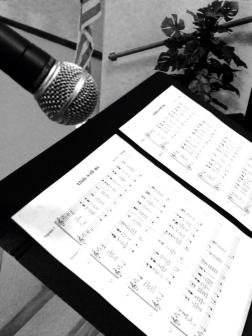
 In the last two posts, I discussed twelve reasons according to the Scriptures why Christians are a singing people (here and here). The next big concerns concerns, “What do we sing when gathered together?” I believe the Bible advocates that we sing a diverse array of songs in different styles so as to richly bless God and God’s people. Colossians 3:16 says, “Let the word of Christ richly dwell within you as you teach and admonish one another with all wisdom, and as you sing psalms, hymns, and spiritual songs with gratitude in your hearts to God.” (See also Eph. 5:19). That being said, an elder, worship minister, and congregation have a weighty responsibility when choosing the songs that are to instruct when gathered together. Below are eight criteria I think are wise when picking what songs are to be on the mouths of God’s covenant people. Songs should be:
Doctrinally and Theologically Sound– Each song should proclaim, teach, model, and follow healthy and sound doctrine. Songs that do not instruct the people of God in the ways of God are not appropriate for congregational worship. I believe if there’s even a serious question about a line or concept within a song, it should be nixed. Why? Because God has blessed His people for thousands of years with good, thoughtful, and Christ-centered music. Why waste the moment or time?
Fit for Congregational Singing– Each song should be readily and easily sung by the congregation. Performance-based music has no place within the worship of God’s people. The aim in part is to hear the Word of God from the mouths of your fellow brothers and sisters in Christ. Songs should be played in keys that most can sing in and enjoy. I’ve noticed a tendency in many churches to play music in keys that only feminine voices can truly sing well in. This prevents men many times from singing heartily to the Lord and should be corrected.
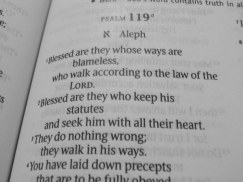 Low Musical Complexity-Musical arrangements should be simple so as to create “undistracting excellence” from all those playing instruments. High complexity in music removes the focus from Christ on to the person pointing to Christ. Musicians are there not to draw attention to themselves but to prop up the great truths echoed throughout the building in the voices of the Church.
Stylistic Elegance– While desiring low musical complexity, songs should have a sublime stylistic elegance that the congregation can enjoy. Tune the guitars and pianos, make sure your bassist knows how to play his instrument, and have everyone in the same key so as to not distract from the God-centered goal.
Congregational Affirmation– While each congregant will have unique preferences for songs and styles, the congregation should generally respond and affirm the song selection. If there’s a song that the congregation virtually disdains, it should be laid aside. Again, why waste the moment?
Corporate Focus– Each song ought to avoid rampant individualism and instead promote a healthy corporate mentality concerning the Christian life. If you want “me and Jesus” alone time, there are countless hours in the week to get that. When the Church is gathered, it is about singing with one voice the praises of God Almighty together. Keep the lights up and sing loudly to the tune of your brothers and sisters boasting only in the Lord.
Sermonic Correspondence-Each song should be selected in harmony with the general theme, motif, and main point of the message. Not every song will fit every sermon but this should be an aim. Singing is a form of teaching and why not have the diamond of the Gospel shine throughout the whole service in a unified manner?
Variegated Options– Each worship set ought to be varied in such a way that one generation or ethnic group does not possess a monopoly on the types of songs the Church sings. The Church is a multi-ethnic, global movement full of diverse cultures. Let’s not get stuck in the 19th century when good music has been written outside of that time period.




 Austin's Blog
Leave a comment