
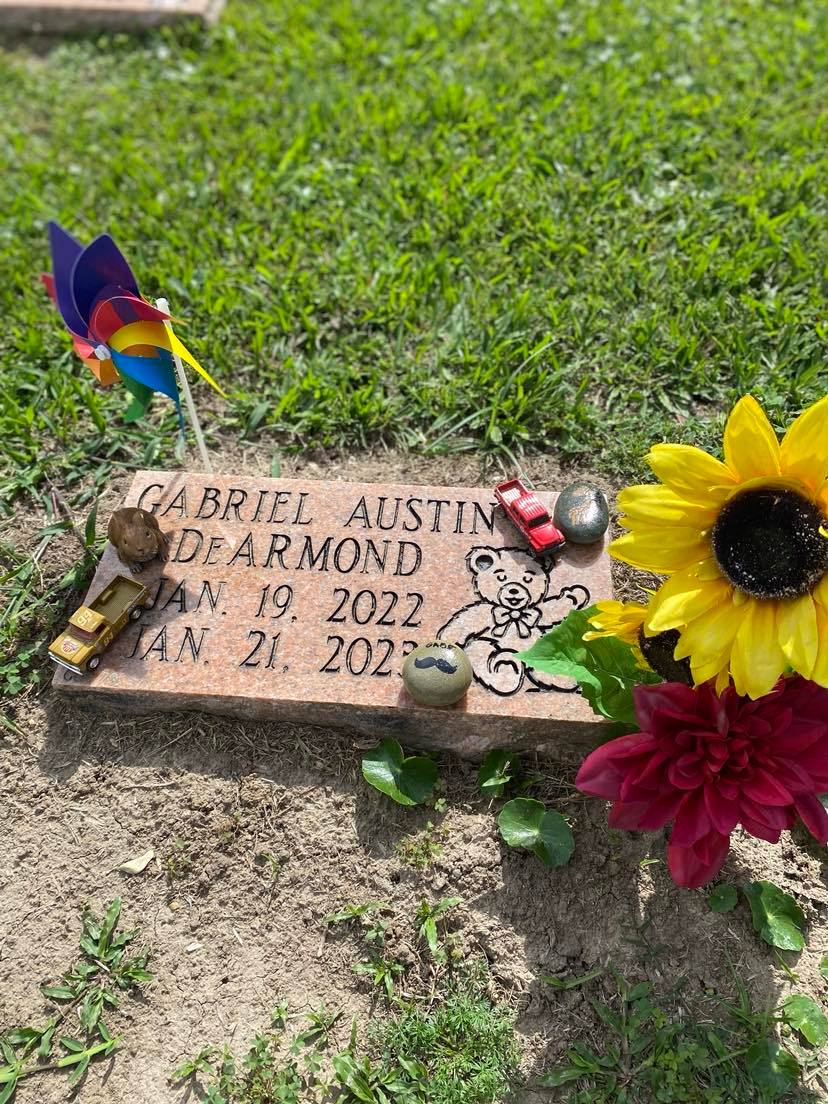
When Valerie and I picked out Gabriel’s headstone, we noticed that every one of them had a baby angel on it. In fact, his section of the cemetery is the Garden of Angels. We requested that a baby bear be placed on it instead. We did this because we called Gabriel “Brother Bear” and we also wanted to communicate that he was not an angel. When I was growing up in the Bible Belt, I really did think people become angels when they died. I’m unsure where I gleaned this idea. When someone dies, you hear people say, “Heaven gained another angel,” “he gained his wings today,” “he’s now your guardian angel,” and other things. My son is not an angel now in heaven and he will never become one. We do not become angels when we die. Randy Alcorn writes, “Death is a relocation of the same person from one place to another. The place changes, but the person remains the same. The same person who becomes absent from his or her body becomes present with the Lord (2 Cor. 5:8). The person who departs is the one who goes to be with Christ (Phil. 1:23). Angels are angels. Humans are humans.”
What are angels? They’re a different class of created spiritual beings with their own moral judgment, intelligence, and wills. They are created beings who serve and worship God (Psa. 148:1-5; Matt. 22:30; Col. 1:16; Job 38:4-7). They showcase the greatness of God’s love and plan for us (1 Cor. 6:3; Heb. 1:14, 2:7; 2 Pet. 2:4), they remind us that the unseen world is real (2 Kings 6:17; Heb. 12:22), they are examples for human beings (Isa. 6:3), they carry out some of God’s plans, and they directly glorify God. Angels observe human sufferings (1 Cor. 4:9), observe human submission (1 Cor. 11:10), observe God’s wisdom through the Church (Eph. 3:10), and are curious about the Gospel (1 Pet. 1:10-12). They are ministering spirits sent to minister and serve God’s people at death (Luke 16:22), protecting them (Psa. 34:7; 35:4-5; 91:11-13), encouraging them (Acts 27:23-24), delivering them (Acts 12:5-11), providing for them (1 Kings 19:5-7), and even instructing them (Dan. 8:15-19; Acts 10:3-7). Hebrews 1:14 asks of angels, “Are they not all ministering spirits sent out to serve for the sake of those who are to inherit salvation?” They are glorious creatures—but they’re not human beings.
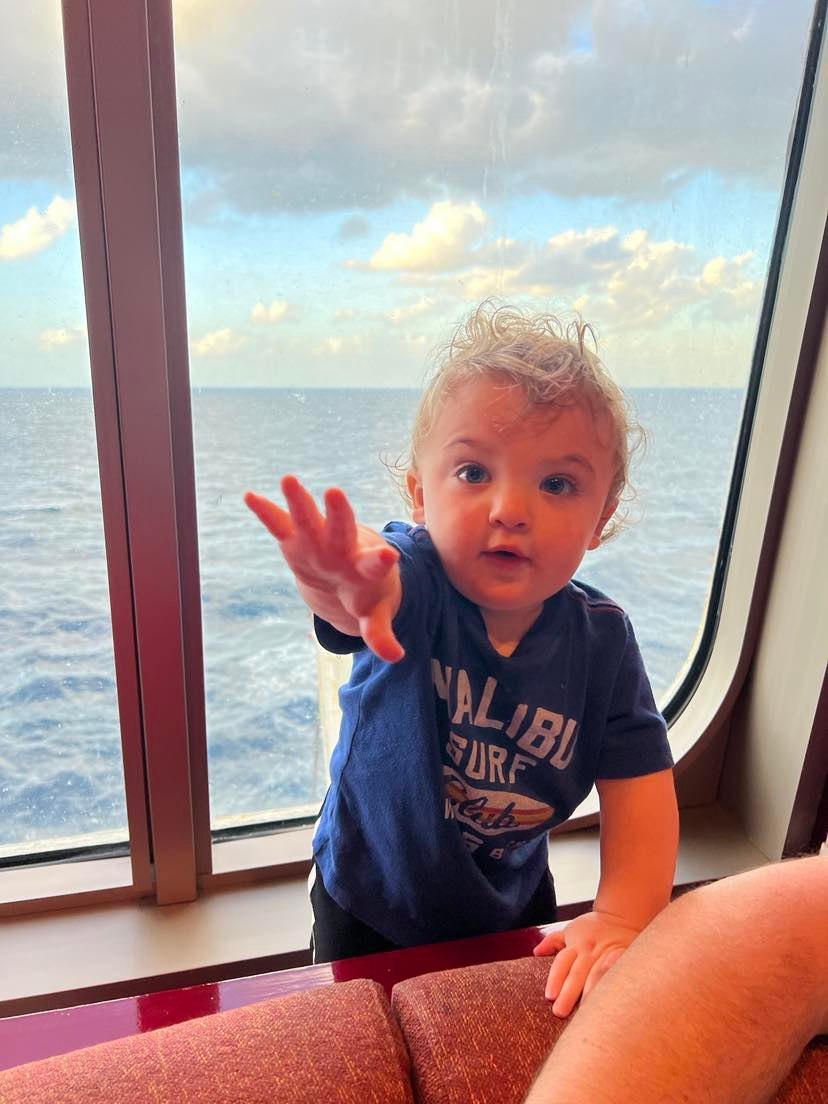
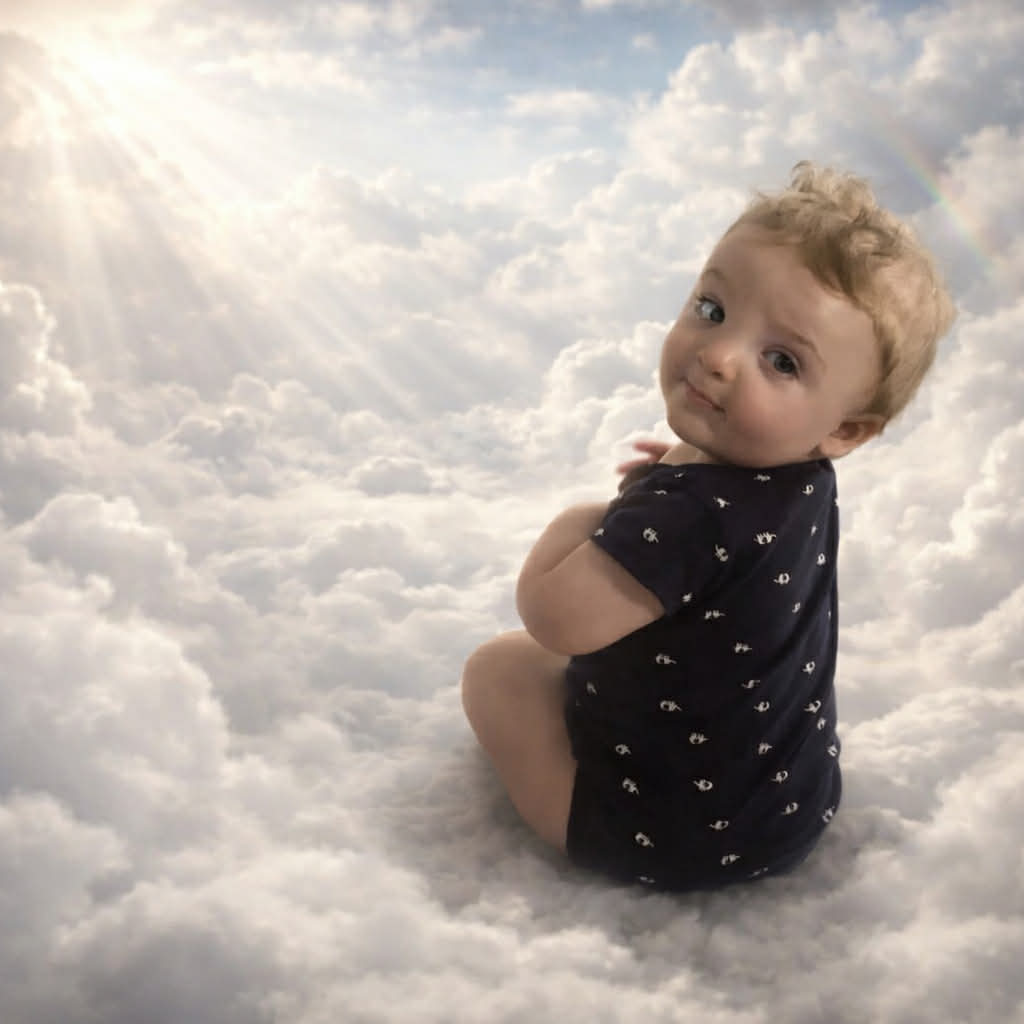
Gabriel is a human being, who like all other human beings, is made in the image and likeness of God (Gen. 1:26-28). There’s a great dignity in being a human being. No other creature in reality is given the privilege of being made in the image and likeness of God. This is why human beings have infinite value, worth, and dignity. A severely disabled infant who only lives a couple minutes outside of the safety of its mother’s womb is worth more than all the galaxies within the universe combined. Why? He or she is an image-bearer. This is why human beings matter. We are creatures like all others on the planet but we are not animals. Gabriel has not become a different type of creature; he is more human now than he has ever been because he’s in the very presence of God Almighty. We do not become angels when we die. We do not become less human. We become more of ourselves, somehow more human. Again, Randy Alcorn writes, “It’s the future fullness of our humanity—not a departure from humanity – that will mark the difference between what we are in heaven and what we are today on earth. Remember, there were human beings before sin. We will be human beings after sin—far better human beings, but never non-human beings. We will have everything that makes a person a person. We will finally be all God intended us to be when he made us. We will not be less human—if anything, we will be more human.” Gabriel hasn’t gained his wings. He hasn’t lost himself. He has gained more of his humanity.


 Austin's Blog
Leave a comment