

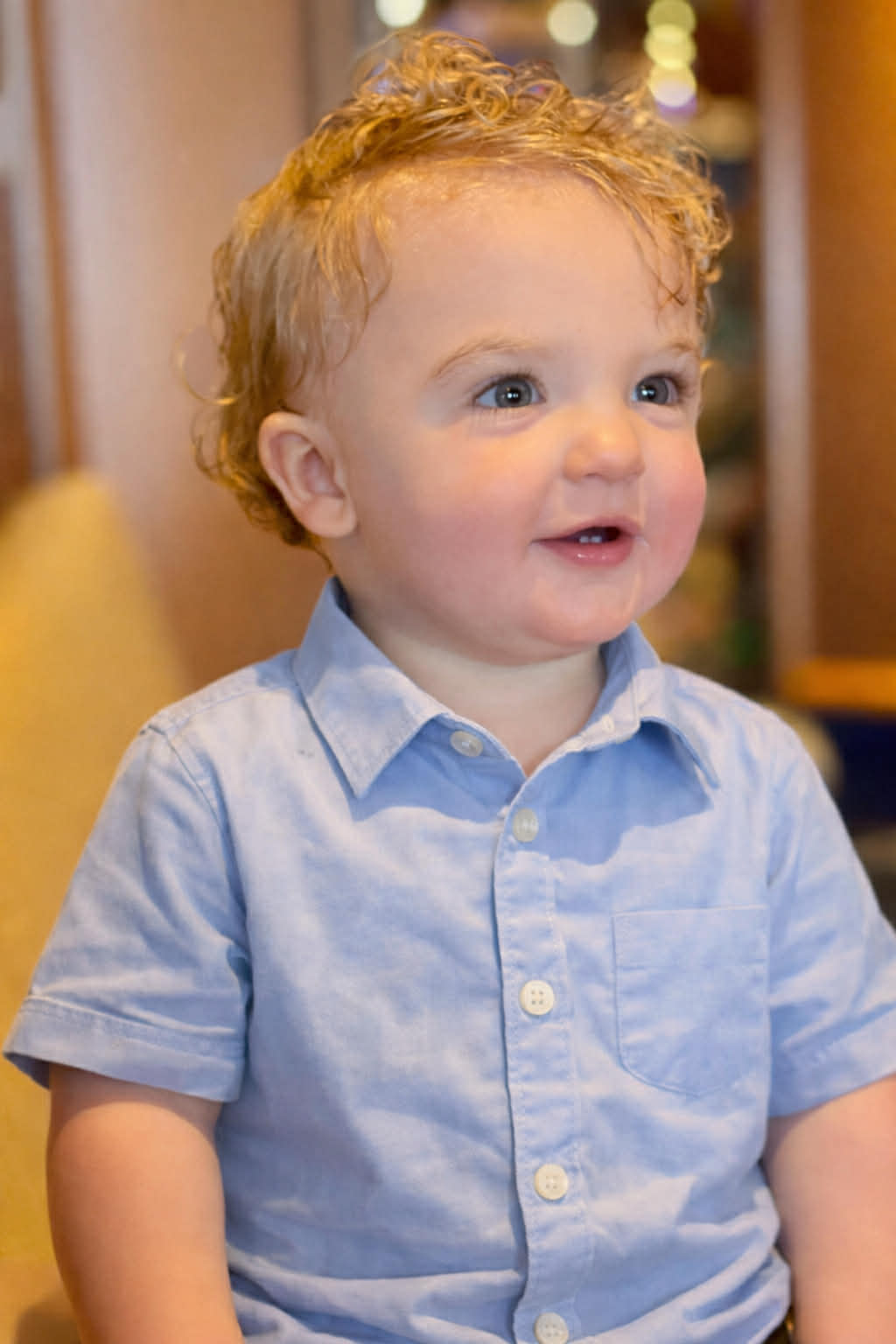
Losing your child as a parent is the absolute worst thing that could happen to you. Yet, we cannot be defined by it. We cannot allow it to envelope and overwhelm our remaining days in such a way that we are crippled from action and faithfulness. One thing that has helped me is to consciously make an effort to reflect on good things about Gabriel, our life before, and even our life now. We must fill our minds with them, meditate on them, and allow them to be a catalyst for living now. Philippians 4:8 says, “Finally, brothers, whatever is true, whatever is honorable, whatever is just, whatever is pure, whatever is lovely, whatever is commendable, if there is any excellence, if there is anything worthy of praise, think about these things.”

I try to repeat some important, axiomatic truths to myself. First, we have experienced more good than bad within our lives. I’m not saying this makes up for losing my child but it does put everything in perspective. I have known great joys, tasted great delights, and received abundant gifts from God and others. Charles Spurgeon notes, “We have plenty of troubles and trials, and if we like to fret over them, we can always do that; but, then, we have far more joys than troubles, so our songs should exceed our sighs. We have a good God, who has promised that, as our days, so shall our strength be.” Lord, help my songs exceed my sighs!
Second, we are being treated better than we deserve. Those gifts are not required or owed to me. Paul asks in 1 Corinthians 4:7, “What do you have that you did not receive?” John Newton, the writer of Amazing Grace, wisely reminds us that, “The Lord afflicts us at times; but it is always a thousand times less than we deserve, and much less than many of our fellow-creatures are suffering around us. Let us therefore pray for grace to be humble, thankful, and patient.” I’m not the center of the universe, God is not obligated to manipulate reality to give me my every heart’s desire, and I am the recipient of great grace, mercy, and kindness from God. We have not been treated as our sins deserve. I have not been shortchanged or slighted by God.

Third, mercy follows pain, heartache, and suffering. Moreover, mercy lives in, around, under, and above whatever difficulty the believer is called to patiently endure. Puritan writer Jeremiah Burroughs writes, “Name any affliction that is upon you: there’s a sea of mercy to swallow it up. If you pour a pail full of water on the floor of your house, it makes a great show, but if you throw it into the sea, there is no appearance of it; so afflictions, considered in themselves, we think they are very great, but let them be considered with the sea of God’s mercies we do enjoy, then they are not so much, they are nothing in comparison.”
What should we do in light of these truths? We need to count our blessings, remember God’s faithfulness in the past, and actively praise Him in the midst of the storm for His provision. Sit down and soak in the immeasurable faithfulness from God within and over our lives. Colleen Chao reminds us saying, “When have you experienced God’s love, kindness, or compassion? Replay that memory in detail today. He came to you in such a beautiful way then; He will come to you again. Sit in that sweet remembrance and let it pour your pailful of pain into His ocean of mercies—mercies that are vast and new every morning.” Child loss is hard. Yet, we’ve experienced more good than bad, we are treated better than we deserve, and God’s mercy follows pain, heartache, and suffering.



 Austin's Blog
Leave a comment