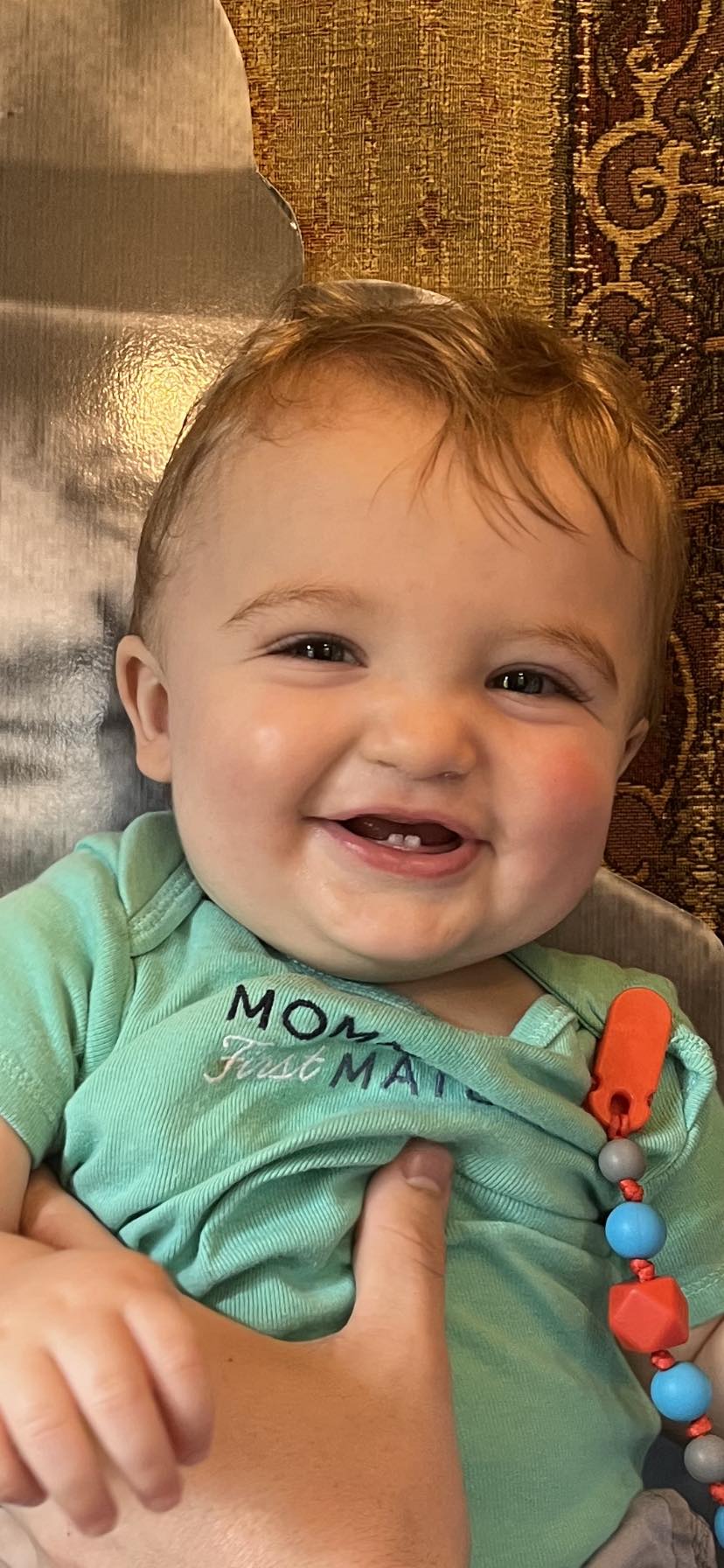
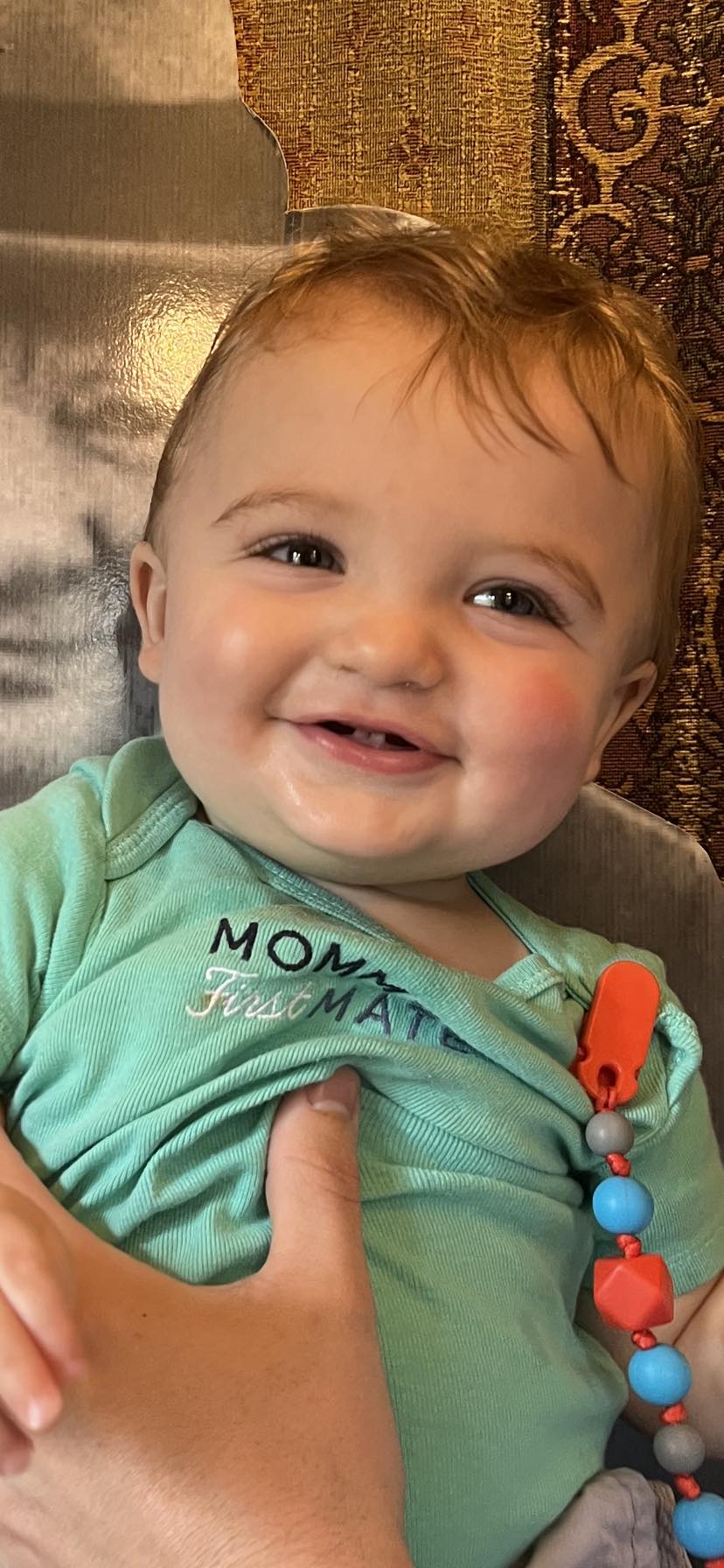
You will never be happy again. We have never grieved like we have over this past year. There’s been a heartier sorrow than our lives have ever known. Each smile and laugh had to cautiously pass through the gate of sorrow that is child loss. Yet, the reality is we still laugh. We possess joy. Even in the hospital, we laughed at times sharing stories about our sweet Gabriel. Kahlil Gibran argues that the sorrow we experience only serves to deepen and enrich our joy. Sorrow quarries us deep but that simply means joy can fill the caverns with greater width, length, and depth in time. He says, “The deeper that sorrow carves into your being, the more joy you can contain. Is not the cup that holds your wine the very cup that was burned in the potter’s oven? And is not the lute that soothes your spirit, the very wood that was hollowed with knives?” The challenge in the first few months was reminding ourselves that it is ok to laugh, smile, and rejoice. It isn’t disloyalty to Gabe. The reality is Gabe does not want us to sit around lamenting and mourning forever. He certainly isn’t doing that in Heaven.
You should avoid talking about the loss. I think there was a time in our culture where the prevailing wisdom of the day when a great loss occurred was to ignore it, bottle it up, and simply soldier on. In fact, when a child died, you never spoke of them again and moved on publicly as if nothing occurred, though privately a different story was told. Gone are the days of such nonsense. There’s simply no way to move forward well and heal without talking about your loss and all that the person means and meant to you. Furthermore, we talk about what we love. If we loved them, then surely it is natural and right to speak of them.
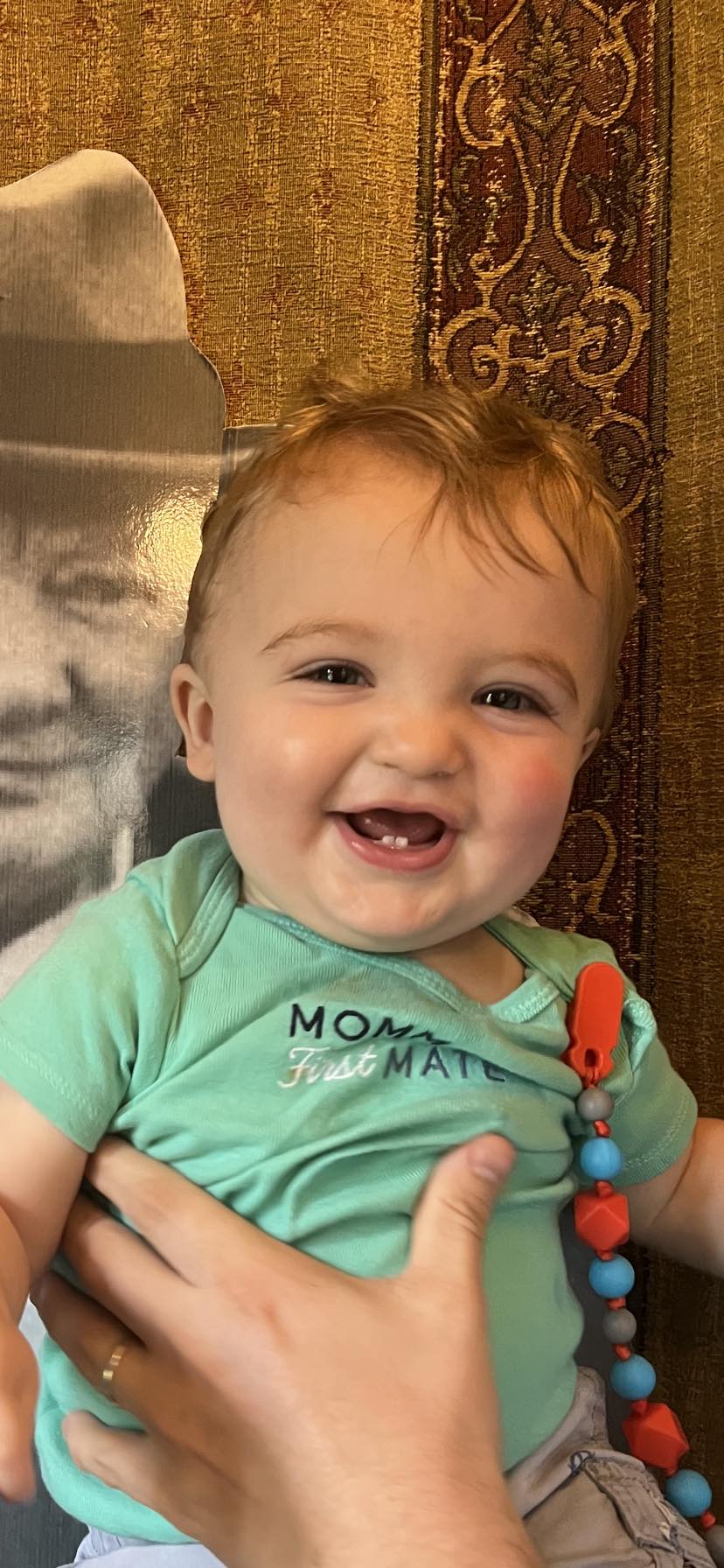
We learned in GriefShare that our loved ones will pass from our emotional memory into our historical memory in time. We will be able to look back fondly on the one we loved and reminisce, remember, and reflect without the rawness of grief ripping our hearts to shreds (though this, at times, doesn’t seem imaginable). Dr. Brad Hambrick writes, “When you have grieved the death of a loved one, you still feel sad at times—perhaps the anniversary of their passing, their birthday, or Christmas when their seat at the table is empty. But this sadness doesn’t control you, and it doesn’t derail your ability to healthily engage the moment. You have assimilated their passing into your story, and you are continuing to live your story.” This simply isn’t possible without speaking about the one you love. Say their name. Share their stories. Soak in all that they were and what they mean to you.
They are in a better place. My son is in a better place. There’s no doubt about that. Paul says in 2nd Corinthians 5, “Yes, we are of good courage, and we would rather be away from the body and at home with the Lord (2 Cor 5:8).” Elsewhere, the Apostle struggled while imprisoned for Christ with whether it would be better to be released and continue serving churches or die and go to Christ. Paul writes, “If I am to live in the flesh, that means fruitful labor for me. Yet which I shall choose I cannot tell. I am hard pressed between the two. My desire is to depart and be with Christ, for that is far better. (Phil 1:22-23).” Far better. When a believer dies, it is all gain. Their spirit/soul immediately goes into the presence of Christ while their body waits for the resurrection. A grave isn’t just a memorial. It is a sacred, holy place where someone has been planted as they await the resurrection. It is better to be with God than remaining in this sin-soaked world of suffering, sickness, and pain as it currently is.
Gabe is in a better place, but he is not in the best place yet. Christians often talk about living with God forever “in heaven,” but the biblical teaching is that there will be a new heaven and a new earth, a renewed creation. Isaiah said “For behold, I create new heavens and a new earth, and the former things shall not be remembered or come into mind. (65:17; again in 66:22).” Peter said, “But according to his promise we are waiting for new heavens and a new earth in which righteousness dwells. (2 Pet. 3:13).” John picks up on the Isaiahan metaphor when he envisions, “Then I saw a new heaven and a new earth, for the first heaven and the first earth had passed away, and the sea was no more. (Rev. 21:1).” God plans to renew creation and dwell forever with His people. His people will dwell with Him after receiving their promised resurrection body (1 Cor. 6:14, 15; 2 Cor. 4:14; 1 Thess. 4:13-17). Gabe is with the Lord in Heaven, the better place. But, he is not in the best place yet. The promise of the Bible is God intends to do to us and the whole world what He did to Jesus on the third day. This world is not my home yet, but it will be in the end. That’s the final destination. That’s the end game. That’s not just a better place, but the best place.




 Austin's Blog
Leave a comment