

This Christmas is obviously radically different than any other that preceded it. It is full of sorrow and soaked with sadness. I think though, that was the case on the first Christmas too. I’ve spent a lot of time reflecting on Mary and her role in the Christmas story this year. She was afraid, shocked, and bewildered when the angel Gabriel announced she would conceive through the power of the Holy Spirit and bear a son who would be Immanuel, God with us. How does she respond? Mary says, “Behold, I am the servant of the Lord; let it be to me according to your word (Luke 1:38).” She would submit to the will of God, come what may. She would resign herself to a high and holy yet difficult task.
One thing that stood out to me about Mary is the acknowledgement that she would suffer too. It would not be redemptive suffering but it would be suffering nevertheless. She would lose a child. As Jesus is presented within the temple, a saintly and elderly gentleman who was waiting for the consolation of Israel exuberantly extols the baby Jesus with a hymn (Luke 2:22-35). Simeon closes his hymn by saying telling Mary that “a sword will pierce your own soul also.”
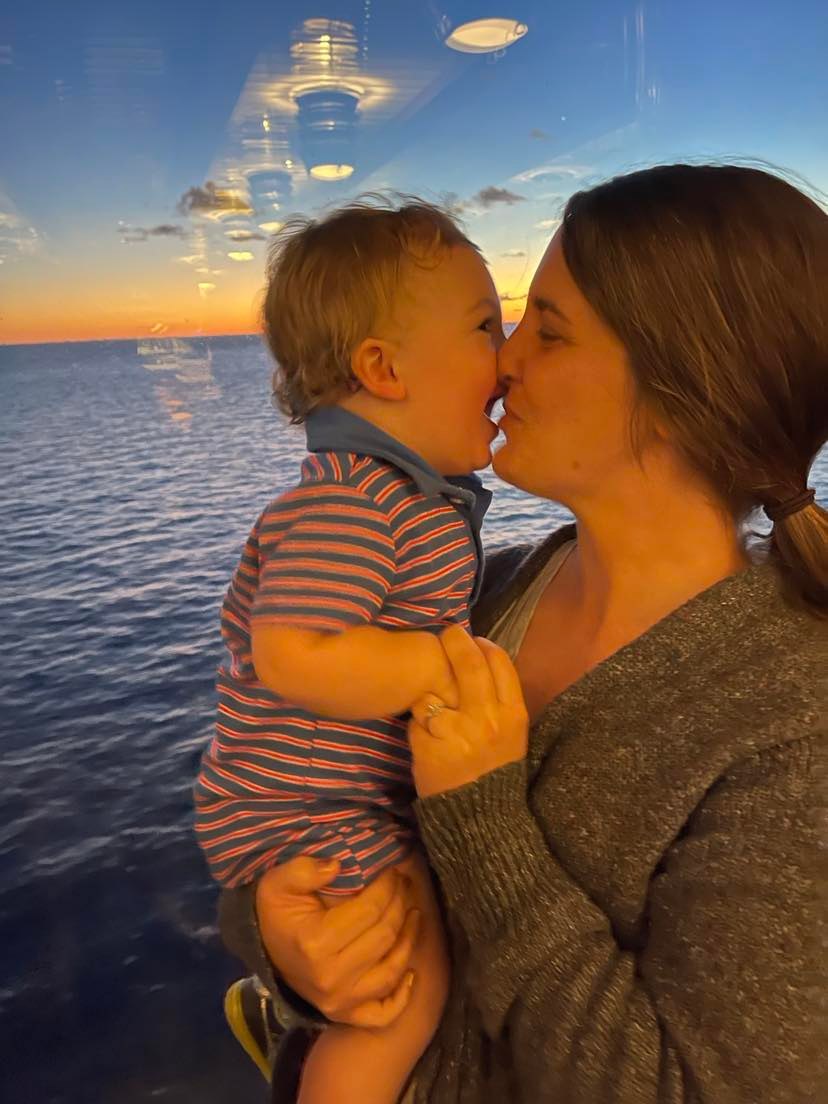
The joy of holding and swaddling baby Jesus that first Christmas had to be tinged with mourning for she knew he would one day die. As one writer said, “Here is a side to the Christmas story that isn’t often told: Those soft little hands, fashioned by the Holy Spirit in Mary’s womb, were made so that nails might be driven through them. Those baby feet, pink and unable to walk, would one day walk up a dusty hill to be nailed to a cross. That sweet infant’s head with sparkling eyes and eager mouth was formed so that someday men might force a crown of thorns onto it. That tender body, warm and soft, wrapped in swaddling clothes, would one day be ripped open by a spear. Jesus came to die.”
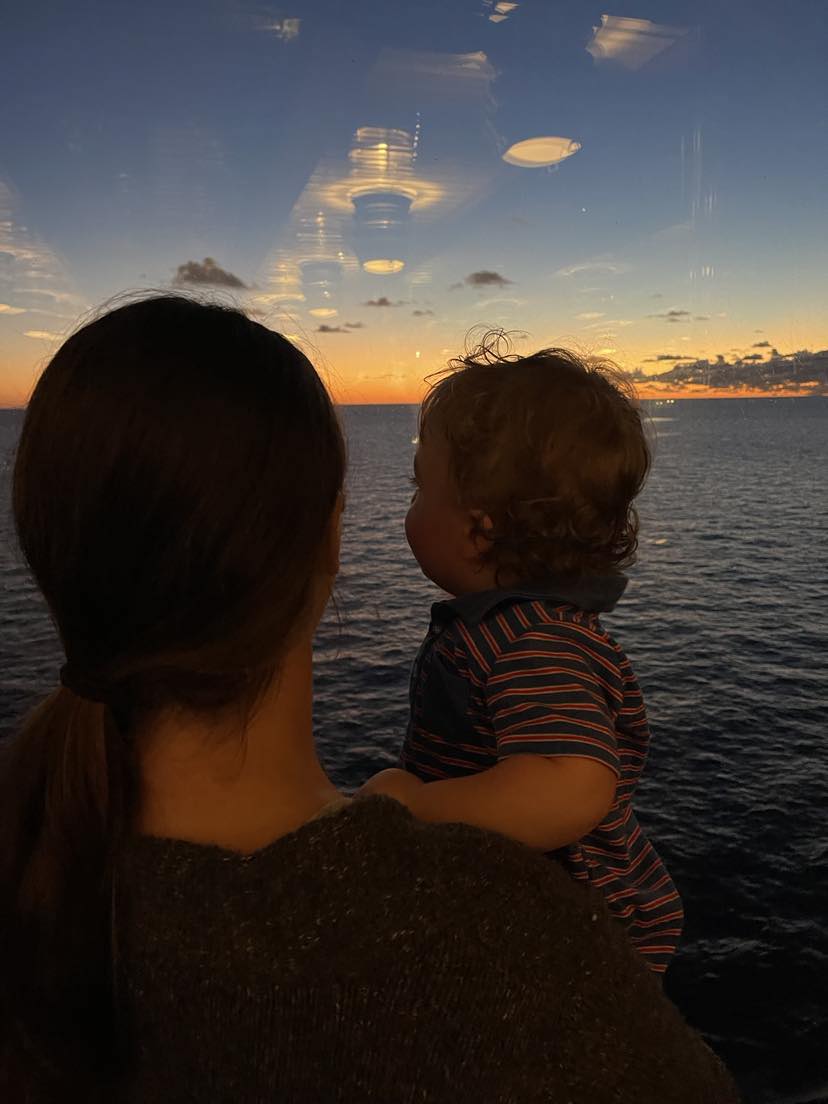
Where do we see the sword piercing Mary? You can see various moments within the Gospels but the clearest is at the end. The deepest pain came at the cross where her son, her beloved son, is dying in front of her. Like it would any mother, watching her son die likely broke the heart of Mary (John 19:17-20). The blessed Mary knows what it feels like to lose a son. Mother Mary feels the pain of losing her child.
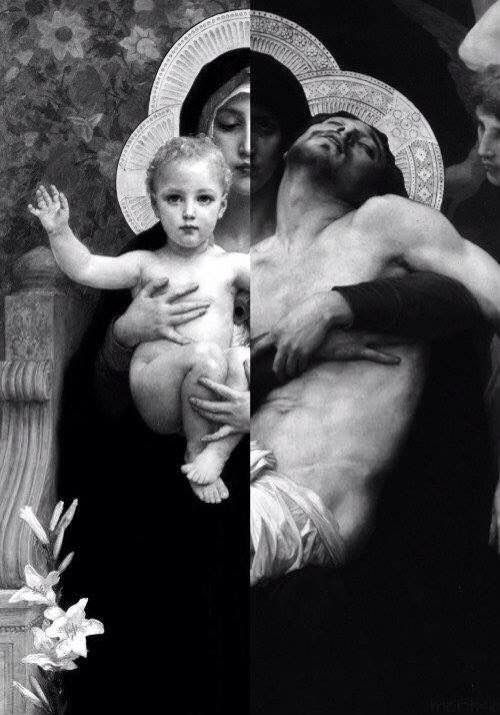
There was a moment in the hospital where Valerie was holding our precious Gabriel and the end was drawing near. One thing that struck me in that moment is I thought to myself that Valerie looked and reminded me of Mary at the beginning holding baby Jesus and at the end holding the lifeless body of Jesus. I didn’t immediately tell Valerie this until months later when we were visiting Gabe’s grave. In a lot of ways, Valerie is like Mary. Afraid, shocked, bewildered, grieved, and broken yet resigning herself to the will and ways of God. Though she knows where her son is, she knows what she has lost. She knows all too well what has been taken.
C.S. Lewis describes it well saying, “If a mother is mourning not for what she has lost but for what her dead child has lost, it is a comfort to believe that the child has not lost the end for which it was created. And it is a comfort to believe that she herself, in losing her chief or only natural happiness, has not lost a greater thing, that she may still hope to “glorify God and enjoy Him forever.” A comfort to the God-aimed, eternal spirit within her. But not to her motherhood. The specifically maternal happiness must be written off. Never, in any place or time, will she have her son on her knees, or bathe him, or tell him a story, or plan for his future, or see her grandchild.” Like Mary, Valerie will not have her son to do those things. But also, like Mary, Valerie will have her son restored to her in the End after all other ends have ended. Jesus’ restoration and resurrection came on the third day. Our third day will come later. For now, we watch and wait for that day. Our prayer is, “Behold, we are the servants of the Lord; let it be to us according to your word.”



 Austin's Blog
Leave a comment