

The older I get, the more suffering and grief I notice among God’s people. It makes sense since suffering, lament, and grief are major themes of the Bible. Once you see it, it is everywhere. One third of the Psalms are psalms of lament and complaint. Sometimes what is said is downright shocking. Is this true faith? Can you say the things said by people of the Bible to God without fear of getting zapped by lightning from Heaven? Are such prayers a form of attack upon the character of God? Glenn Pemberton explains, such honest prayers honor the Lord: “[The psalmists] do not lack fear of God; it is because of their reverence and their relationship with God that they dare not engage in half-truths, dance around hidden thoughts, or suppress their feelings. They know that God will not stand for two-faced flattery. For these psalmists, either God is an intimate friend to whom we speak our true thoughts and feelings, or God, in fact, is no friend at all.”
Unfortunately, the honesty of the Scriptures is not always present in our churches. Andrew Byers writes in Faith Without Illusions: Following Jesus as a Cynic-Saint that, “At some point along the way the Western church stopped associating weeping with worship. It probably occurred about the time we stopped reading and preaching so much from Lamentations and those more ominous psalms. We may rejoice to see a few tears in response to a moving song or message, but we seem unable to truly value the regular expression of sorrow as a necessary dimension to our worship.” The breakdown between what we see in the Scriptures and what happens in our churches will inevitably lead to problems, especially for those who don’t have it all together like the super saints at the front.
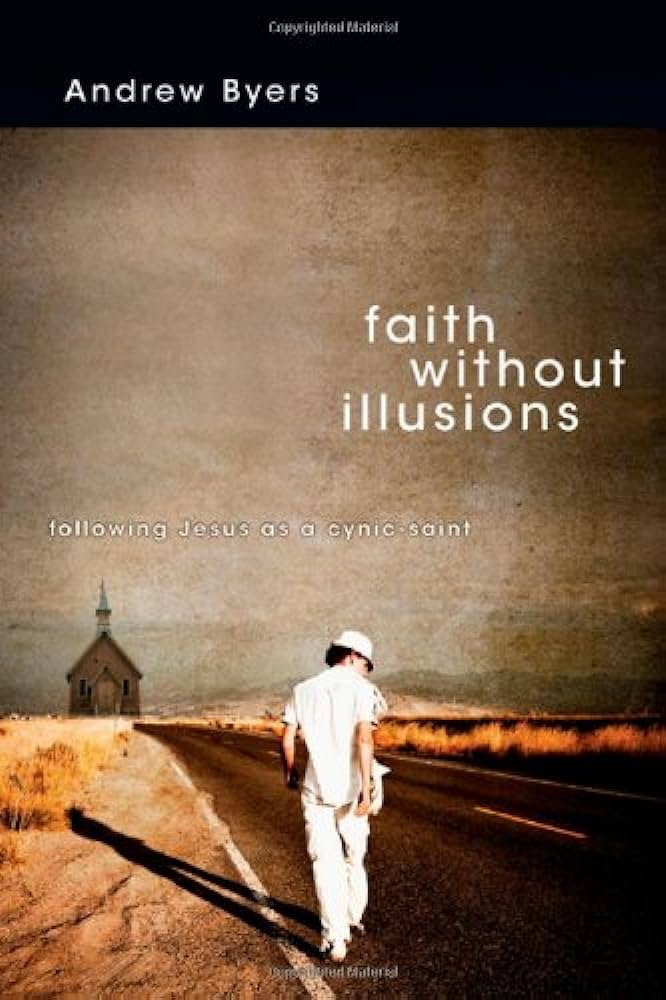
The author notes, “Because of this, we have become less hospitable to the dispirited and injured individuals for whom the church should serve as a haven for healing. When the depressed are in our midst, do they feel free not to answer ‘fine, just fine’ to our greetings? Are they silently shunned when they talk of God as though he is their oppressor rather than their Deliverer? Does the worship service provide them with a context in which they are encouraged to express their pain (and not just their joy) as an act of worshiping God? What are the beleaguered and downcast to do when they find themselves in need of singing to God with sad songs in minor keys if all that is provided are joyful refrains in major keys?”
When we don’t include lament within our churches, those in the pews feel like they don’t belong. But, such a feeling betrays the Gospel since we are “…called to belong to Jesus Christ (Rom. 1:6).” Moreover, when the church appears to be a meeting place of the strong, the well-adjusted, and those who can help themselves, those who are weak, suffering, and struggling will simply seek solace and comfort somewhere else. Yes, those may be broken cisterns they’re drinking from but at least something is being offered that they can afford to drink.

Byers says again, “When the church fails to provide some outlet for crying to God from ‘out of the depths’ (Psa. 130:1), then broken souls will turn elsewhere. To our shame the bar stool and the psychiatrist’s couch are often viewed as more hospitable contexts for tormented souls than the chapel’s pew. By minimizing – or worse, eliminating – the biblical role of lament in the life of the church, we are communicating to the world, as well as to members of our own congregations, that they must take their struggles with God elsewhere. Brokenness turns into bitterness when God is denied access to our wounds and when pain is removed from the context of worship. The absence of lament on Sunday mornings is therefore promoting cynicism. So once again, we find the church unintentionally culpable for populating our own ranks with cynics.”
What should be done? We need to prioritize lament among God’s belabored and militant church. Will it be messy at times? Will people feel uncomfortable witnessing the tears of elder saints whose bodies are slowly failing them, the tears of those who have buried loved ones, or the tears of those who are crippled by anxiety or depression? Will it require more intentional shepherding? Will it mean less time is given to programs, pastoral personalities, and the praise of men? Will it require something more than just pretending, putting on a mask that we have it all together? Will it mean believers will have to come up with more intentional ways to use their giftings to serve those who have little strength to serve but muster enough to make it in the building? Sure it will, but it will be worth it.




 Austin's Blog
Leave a comment