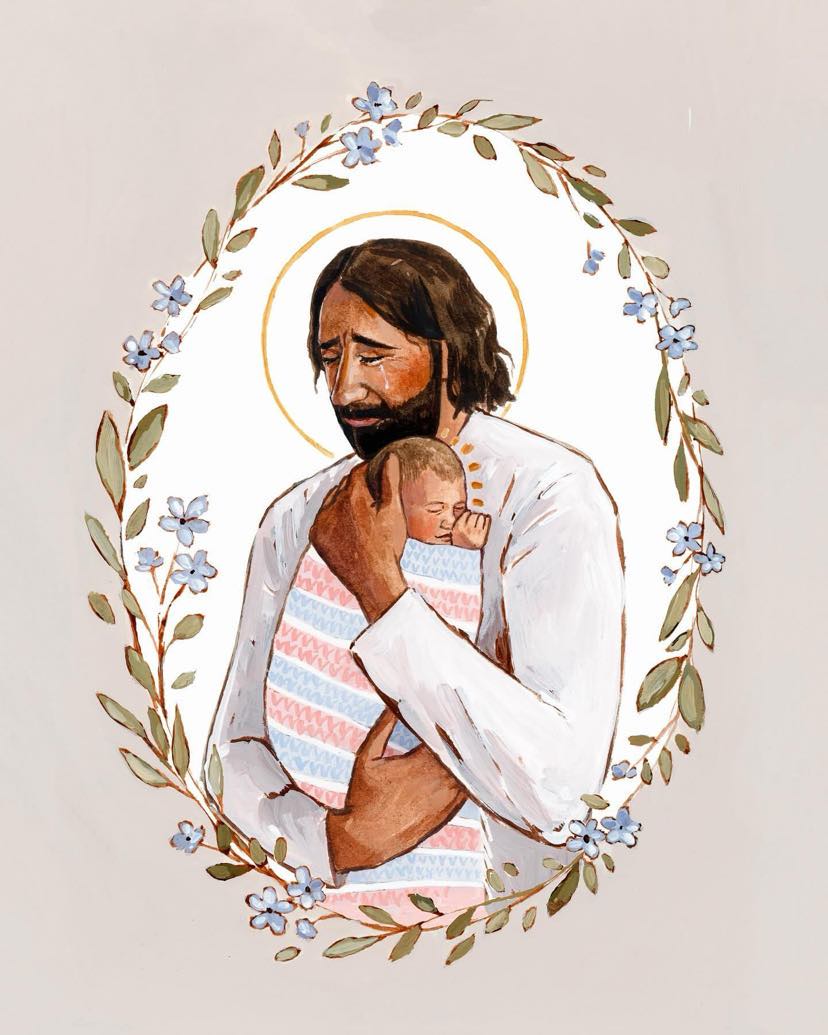

I’m not sure seminary prepares you to minister to parents who have buried children. In my ten years of theological training, it simply never came up. We are taught to parse Greek verbs, memorize church history, and preach sermons. We are never really taught what to do when the worst thing happens. I’m in a bereaved parent group and I recently asked the question, “What advice would you give a pastor or minister to serve, encourage, and walk with a grieving parent? What would you tell them not to do?” Below is a list of suggestions from the “front lines” itself.
- Acknowledge the loss. Don’t compare it to other losses.
- Help with funeral arrangements and attempt to share the load as much as possible.
- Be careful Bible verses shared aren’t meant to minimize or “silver-lining” the loss itself.
- Listen. Weep. Pray. Remember.
- Ask bereaved parents to serve without pressuring them to do so.
- Mention the loss during corporate times of prayer, special holidays like Mother’s and Father’s Days, and baby dedications.
- Educate the congregation on the nature of grief and loss.
- Preach often on the glories of Heaven, the resurrection, and what Christ has done to overcome death.
- Be the buffer or point person if it is a sudden tragedy to lighten the load for the parents.
- Avoid gossip and speculation about how bereaved parents are doing as they carry and handle their grief. Ask them directly. Don’t make assumptions about how well or unwell they are doing spiritually.
- Check in often. Show up. Schedule a weekly text message.
- Provide space within the worship service for lament.
- Include a variety of songs that address suffering, loss, and grief.
- Provide resources to bereaved parents.
- Point bereaved parents to grief and loss support groups.
- Avoid the language of “At least…, You Should…, or I know…”
- Have some knowledge of community mental health resources to refer to if needed.
- Speak grace and non-judgment from the pulpit and with the congregation.
- You don’t have to come up with an answer for the “Why?” question. Just weep, share Scriptures, and minister as the Lord leads.
- Train a grief team to step into such terrible situations with grace and truth.
- Say the child’s name. Acknowledge them. Remember they existed.
- Avoid using “Heaven” as a cosmic Band-Aid. Don’t be trite in your sharing of truth.
- Pay for them to go on a bereaved parent retreat.
- Organize meals for a season. Encourage members to meet practical needs, even financial ones if there is an opportunity.
- Visit their future resurrection site with the bereaved parents.
- Don’t view the bereaved parents as disqualified or dangerous for future ministry avenues.
- Seek out their advice when similar losses occur.
- Avoid speculation and reassurance on things that cannot be known.
- Encourage the congregation to get involved in the ministering to the family. Don’t shoulder the burden alone.
- Help the bereaved parents think about, “What’s next?”
- Give bereaved parents the freedom to feel what they feel and process through their emotions.
- Encourage professional counseling.
- Sit in the silence and just be present.
- Be mindful of mentioning suicide, death, or other things associated with losing children in a cavalier way. Be wise as you steward these painful topics.
- Don’t repeat myths and cliches of grief privately or publicly in your teaching and shepherding.
- Preach on grief.
- Go through GriefShare yourself.
- Invite them out to coffee or over for a meal.
- Include bereaved parents in stuff for families.
- Remember that child loss is a daily cross to bear until eternity. Grief lasts longer than a year.
- Offer extra prayer on special days. Remember them daily in prayer during your own devotional times.
- Allow bereaved parents the freedom to speak openly about their children with you.
- Remember the important dates (e.g. birthdays, Heaven day, etc.).
- Don’t be too proud to say you don’t have the answers.
- Encourage bereaved parents that it is all right to stop and just survive, but encourage them to keep trying.
- Love the whole family, including the siblings. Utilize their love language for giving love and showing compassion to them.
- Gently address unhelpful ways of grieving and coping.
- Don’t badger the family.
- Write hand-written notes or letters to mail.
- Connect them with other bereaved parents you know.
- Give a small gift to them in honor of their child in Heaven.
- Be patient. Their healing won’t be final until Heaven. It can take years for a sense of “normal” to return.
- Show grace as they struggle with God in light of their devastating loss.
- Point them to Christ often.
- Resist the urge to say something profound that you believe will fix the situation.
- Encourage the family to find meaningful traditions and mourning rituals that honor their child.
- Affirm your love for them and their family over and over. Affirm Christ’s love for them over and over.
- Listen. Listen. Listen. Listen to their story as many times as they feel led to share it with you. Be a safe person.
- Be honest with the bereaved but don’t feel you have to correct all of their misunderstandings all at once.
- Remember the bereaved are different people and their relationship to their grief changes over time. Don’t box people into “stages of grief.”






 Austin's Blog
Leave a comment