
Is it always God’s will to heal if one has enough faith? Can mountains of cancer, disability, and other ailments be removed simply by having faith? Did people pass away early because they or those around them failed to exercise enough faith? How should we understand this view of faith, divine healing, and miracles?
The Biblical Issues

The Bible often associates healings with faith: faith that God is the sole source of blessing, that He alone is our hope (Psalm 33:18-22; 147:10-11), faith in God’s ability to heal (Matthew 9:28-29), faith in God’s desire to heal (Luke 11:11-13), and faith that God does heal according to His will. However, there are instances where Jesus healed without any mention of faith. While faith and trust in the Lord are crucial, other factors influence how God answers prayer, notably His sovereign will. Paul’s use of the Greek phrase “gifts of healings” in 1 Corinthians 12:9, 28, without the definite article, suggests a distinction from other spiritual gifts, indicating that healing is not always guaranteed by faith alone. Scripture does not support the view that God invariably wills to heal all physical and emotional afflictions if enough faith is present.
Theological Issues
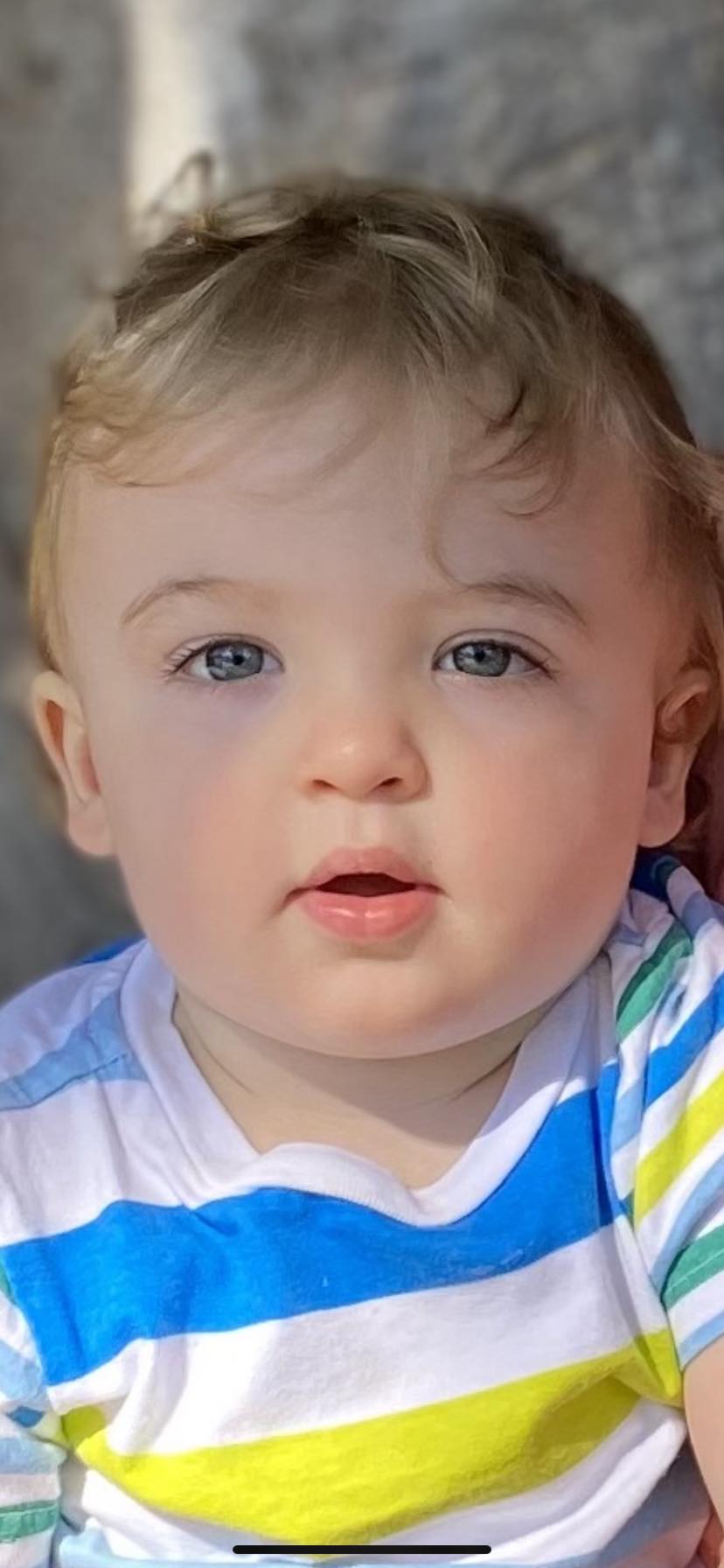
First, while physical healing is significant, it is not ultimate. Everyone Jesus healed or even raised from the dead eventually died again (John 12:9-10). What we truly need is resurrection and the ultimate healing in Heaven, where pain is not merely ended but mended. In the deepest sense, when Gabe entered Heaven, he was healed. Philip Yancey writes, “Even the greatest of miracles do not resolve the problems of this earth: all people who find physical healing eventually die. We need more than miracles; we need a new heaven and a new earth, and until we have those, unfairness will not disappear.” The question “Is there healing in the atonement?” can be answered affirmatively—because Jesus died, Heaven is opened to us, and God promises resurrection life to all who believe.
Second, believing that sufficient faith guarantees specific outcomes, such as healing, misrepresents God’s character. This perspective reduces God to a cosmic vending machine, engaging in divine quid pro quos. The biblical view of God is far more profound than that of a genie in a bottle. Third, this view mischaracterizes faith. Trusting in the Lord is not about forcing His hand. Randy Alcorn notes that this belief turns faith into a “crowbar to break down the door of God’s reluctance, rather than a humble attempt to lay hold of His willingness.” Fourth, people die at their appointed time, and sickness and disease can be the means through which God brings individuals to Himself. Near the end of his life, Martyn Lloyd-Jones urged his congregation, “Do not pray for healing. Do not hold me back from the glory.”
The Church History Issues
The examples of Epaphroditus (Philippians 2:25-30), Timothy (1 Timothy 5:23), Trophimus (2 Timothy 4:20), and possibly Paul himself (2 Corinthians 12:7-10; Galatians 4:13) demonstrate that the “gifts of healings” are subject to God’s will, not human will. The Bible recounts many godly, faithful individuals who endured sickness and suffering. Their faith amid trials testifies to God’s goodness and mercy. When my son faced his medical emergency, a tweet requesting prayer went viral, reaching over half a million people. Despite this widespread prayer, he passed away. It wasn’t due to a lack of faith on the part of my family, my church, or others praying globally. Church history is replete with examples of devout believers who faced suffering, illness, and disability. It would be audacious to claim that individuals like Joni Eareckson Tada, Fanny Crosby, Elisabeth Elliot, and Charles Spurgeon lacked faith. The “Hall of Faith” in Hebrews 11 highlights countless individuals who faced trials by God’s design.
Pastoral Issues

First, teaching that a lack of faith is the reason for not being healed is often cruel. It unjustly places the burden of sickness, suffering, and tragedy on those already weighed down by their struggles. Their burdens are heavy enough without adding the expectation of miraculous healing. Second, there are numerous reasons why God might not answer prayers in the way we desire. Focusing on one factor oversimplifies the complexity of God’s will. Vaneetha Risner writes, “If God says no to our requests, He has a reason—perhaps ten thousand. We may never know the reasons in this life, but one day we’ll see them all. For now, we must trust that His refusals are always His mercies.” Prayer involves more than just our willingness and faith.
Third, the belief in “guaranteed healing as long as you have faith” undermines biblical teachings on suffering. Joni Eareckson Tada says, “God may remove your suffering, and that will be great cause for praise. But if not, He will use it, He will use anything and everything that stands in the way of His fellowship with you. So let God mold you and make you, transform you from glory to glory. That’s the deeper healing.”
Fourth, this belief can ironically undermine faith. When healing does not occur as expected, it can lead to disappointment, discouragement, and doubts about God’s goodness, wisdom, and love. If you’re struggling with disability, sickness, and death and you’re worried you’ve somehow failed yourself, others, or God because you have not exercised enough faith to remove this mountain, be encouraged that you are not God. The weight of the world is on His shoulders, not your own, for a reason.



 Austin's Blog
Leave a comment