 No book in the biblical canon has arguably had greater diversity of interpretive strategies than the Song of Songs. It the book of Revelation for the Old Testament when it comes to how interpreters are varied in their approach to the book. Today, four main schools remain for the book and the prevalence of each interpretive approach has varied over Church and Judean history.
Allegorical– It is well known that the dominant traditions of interpretation, in Judaism and Christianity alike, have understood the Song to portray the relationship between God and the people of God–more specifically, the bond of mutual love between Israel and Yahweh in Jewish exegesis or between the Church as the bride and Christ as the bridegroom in Christian exposition.[1] This view is commonly called the allegorical interpretation. An allegory is a figurative sentence or discourse, in which the principal subject is described by another subject resembling it in its properties and circumstances.
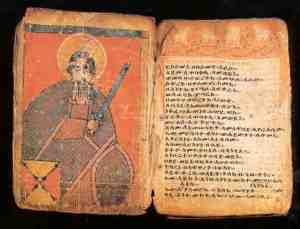 Literal– The second main view, and the most dominant view of Protestants today, is the Solomon-Shulammite interpretation or literal view. This interpretation views the Song of Solomon as a unified love poem with a two-character plot, the two primary characters being King Solomon (or someone else) and the Shulammite woman celebrating sexual intimacy within a monogamous marriage relationship .[2]
Anthology-The anthology interpretation views the Song of Solomon as a collection or anthology of interrelated love poems or lyrics arranged around a common theme of intimate love between a man and a woman— in celebration of love’s longing, ecstasy, joy, beauty, and exclusivity.[3] The main difference between the allegorical and anthology interpretation is the acknowledgment of a narrative plot within the book.
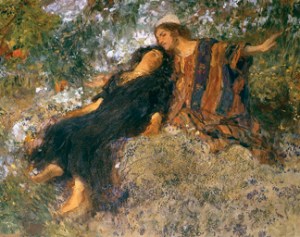 The Shepherd Hypothesis-The last interpretation is called the Shepherd Hypothesis. Becoming quite popular in the nineteenth century, the Shepherd Hypothesis interprets the Song as a struggle between the young women and the shepherd boy as two simple country folk in love remaining true to each other as King Solomon attempts to seduce the young woman into his harem.[4]
Other viewpoints many exist for the book but these are the four predominant views on the subject.






 Austin's Blog
Leave a reply to Alex Cancel reply