
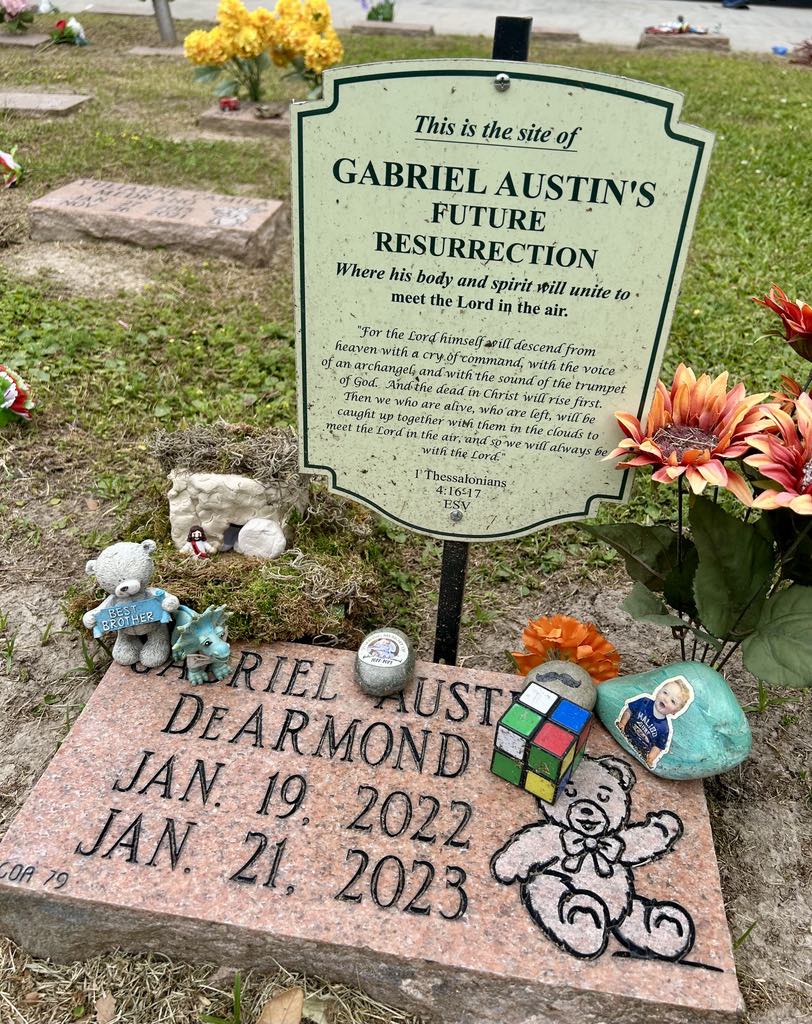
I was visiting the cemetery where my father was laid to rest some two decades ago. As I was leaving, my eye caught a small headstone that was for an infant. It was well over seventy-five years old and all I could make out was “Our Darling.” For a brief moment, I thought about his family and the tragedy they endured so long ago. Headstones are meant for remembrance. It is to memorialize those precious dead who have gone on before us. In the Old Testament, God’s people often piled stones to mark places where the LORD acted powerfully, such as parting the Jordan or helping them in battle, as lasting memorials for future generations (Gen. 28:18-22, 31:44-54, 35:14-15; Josh. 4:1-9, 24:25-27; 1 Sam. 7:12). These stone heaps also served as witnesses to covenants or solemn agreements, reminding both parties of their promises before God. Overall, they were physical, visible reminders of God’s faithfulness, meant to stir remembrance, gratitude, and obedience across generations.
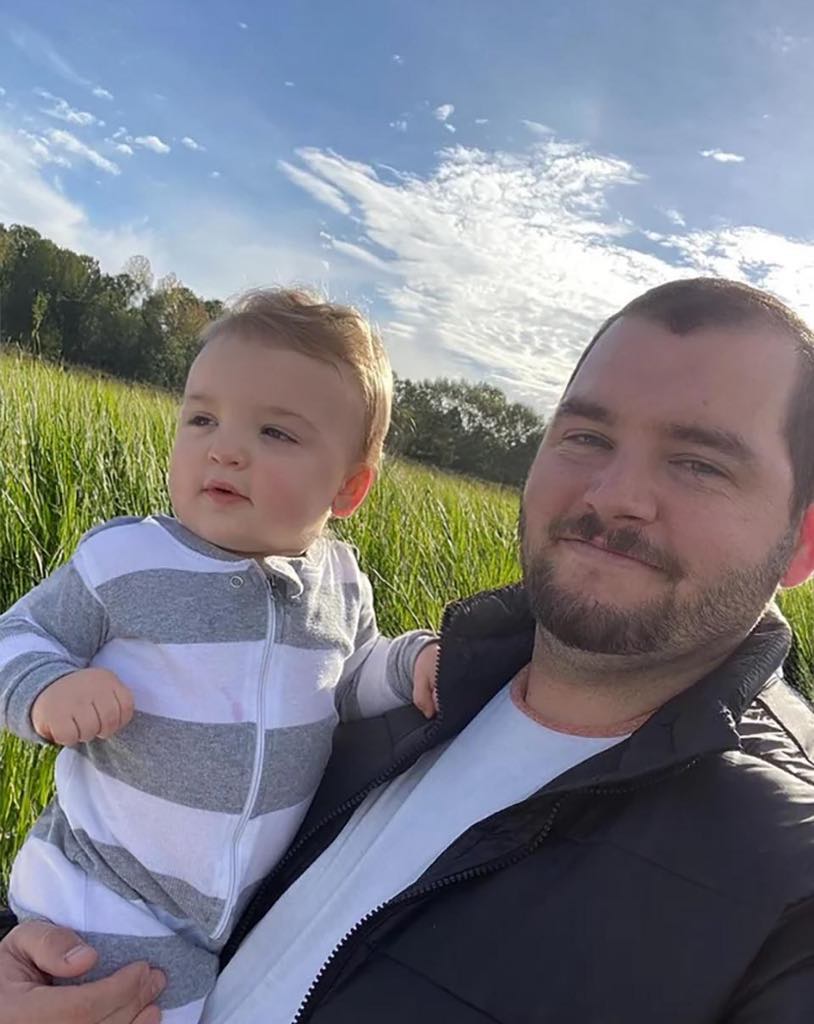
The headstones we pick out for our beloved dead are meant to do the same. We remember them in gratitude and seek to live well as we wait. Just as I noticed the headstone of “Our Darling” here in North Alabama, someone will walk by my son’s in New Orleans and think about him. He really lived. He was and is a gift of God. His life matters. Just as real as this stone is, he is real. There’s a lot of life between the dash in the dates on that marker. There’s a lot of life that is continuing above as we wait below. This stone testifies to that. The durability of the material points to the fact that our love endures, well beyond when our earthly tent is laid near them.
We struggle with picking the headstone because there’s a sense of finality to it. It feels like the last thing we must do to serve our loved ones. We struggle with it also because how do we sum up a life and etch it in stone? What should we say about them? Which Bible verses do we put on the stone? How big should it be? What can we put on it to point others to the fact that our heart and world are buried beneath this rock and dirt and that just doesn’t sit well with us? On top of that, every decision — the design, the wording, the symbols — can carry enormous emotional weight, as we want the gravestone to honor our loved one perfectly while wrestling with our own deep grief and longing.
Typically, headstones face east for a theological reason. The sun rises in the east and the Lord will one day return, causing our beloved dead to rise, never to die again. Just as the sun splits the sky and causes the darkness to flee, the Lord Jesus will crack heaven and earth apart and rule and reign forevermore. Matthew 24:27, “For as the lightning comes from the east and shines as far as the west, so will be the coming of the Son of Man.” Even so, come Lord Jesus!





Leave a Reply